Decoding Scannable copyright: The Tech Behind the Fraud
Wiki Article
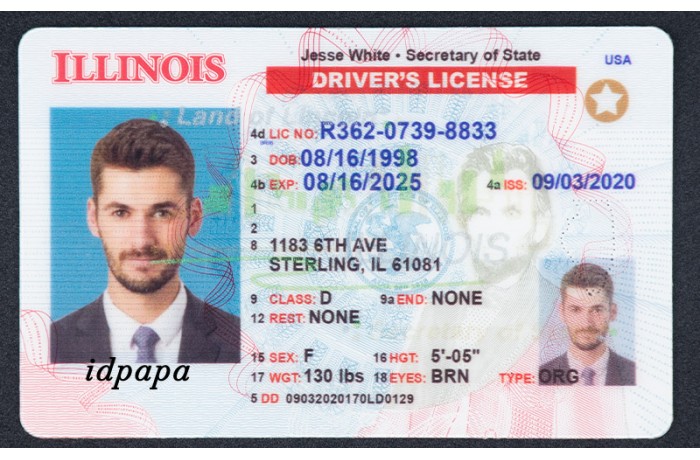
The market of copyright identification is a constantly shifting landscape. Forgers are now leveraging sophisticated technologies to create copyright that can often evade even the most stringent scanning systems. These imposters are often indistinguishable from genuine IDs, making them a growing threat. To combat this problem, authorities are utilizing their own complex technology to identify these fakes.
- One of the key features behind scannable copyright is the use of unique inks that can be read by common scanners.
- These dyes often contain barcodes that imitate the authentication features found on genuine IDs.
- Nonetheless, experts are constantly working to create new methods to uncover these fakes.
The future of fighting copyright fraud is likely to involve a mixture of cutting-edge imaging technologies, data analysis, and enhanced laws.
Acquire Scannable copyright Creation: A Step-by-Step Guide
So you desire to make a scannable copyright? It's a dangerous endeavor, but if you continue, here's your roadmap. First, you'll need high-resolution photo editing software like Photoshop. Then, collect a valid ID as a template. Use the software to edit the data, replacing them with your fabricated credentials.
- Following this, print the modified ID on high-thickness paper.
- Ensure the printer uses toner that's compatible with UV printing for maximum realism.
- Ultimately, laminate the ID to enhance its durability.
Remember: Using a copyright is illegal. This guide is for educational purposes only and discourages any unethical activity.
Build a Scannable copyright? Timeframe Matters
So you're wanting to know how long it takes to whip up a copyright that can actually fool those scanners, huh? Well, lemme tell ya, there's no magic number. It all boils down to a bunch of factors. You got your materials, your know-how, and even the specific design of ID you're after. A basic card with a plain graphic might take a casual creator a few hours, maybe a day if they're beginner. But if you're aiming for something complex with high-quality printing, you could be looking at days. Plus, don't forget the drying time for inks and laminates. That can add up!
The bottom line? There's no quick fix for a scannable copyright. You gotta put in the work to get it right, or you could end up with something that gets flagged faster than you can say "I.D. please!"
The Price Tag of a Scannable copyright
Thinking about snagging a scannable copyright? It might seem like it's just a small investment. But, let me tell you, you're paying for a whole lot more than just a piece of plastic. First off you're risking your safety. Getting caught with a copyright can lead to serious legal trouble, including hefty fines, community service, and even jail time.
, But don't forget: even if you manage to avoid getting caught, it might backfire on you. Imagine trying to use a copyright for something important like renting a car - your credit history and future prospects could be affected.
Verifying Your IDs: Can They Be Read by Scanners?
In today's digital/tech-driven/modern world, identification/IDs/personal documents are often scanned/read/processed electronically. But have you ever stopped to question/wonder/think if your copyright/copyright/government-issued ID is actually readable/scannable/compatible with the latest technology/scanning equipment/devices? A faded/damaged/incorrectly formatted ID can cause/lead to/result in serious inconveniences/issues/problems, from delayed entry/denied access/verification failures to frustration/confusion/security risks. To ensure/guarantee/confirm your ID is properly scanned/read accurately/accepted without issue, it's important to pay attention to/examine carefully/inspect thoroughly its key features/characteristics/design elements.
- Examine the clarity of text and barcodes
- Inspect for tears, creases, or fading
- Verify the ID's format and security features
By being aware/taking note/staying informed of these indicators/signs/factors, you can avoid potential headaches/prevent complications/ensure a smooth experience when using your identification/copyright/government-issued ID.
Are They Detectable? The Risks of Using Scannable copyright
Scannable copyright look like the ultimate solution for getting into clubs or buying booze. But let's face it, these aren't foolproof. Security is always tightening, with scanners becoming more powerful every day. Using a scannable copyright is like playing a game of chance. Sure, you might pull it off the first few times, but eventually, the risk of getting caught becomes too high.
A arrest get more info can have serious consequences, like fines, community service, or even prison sentence. Not to mention the damage it could do to your career prospects.
- Consider the risks
- The game isn't worth it